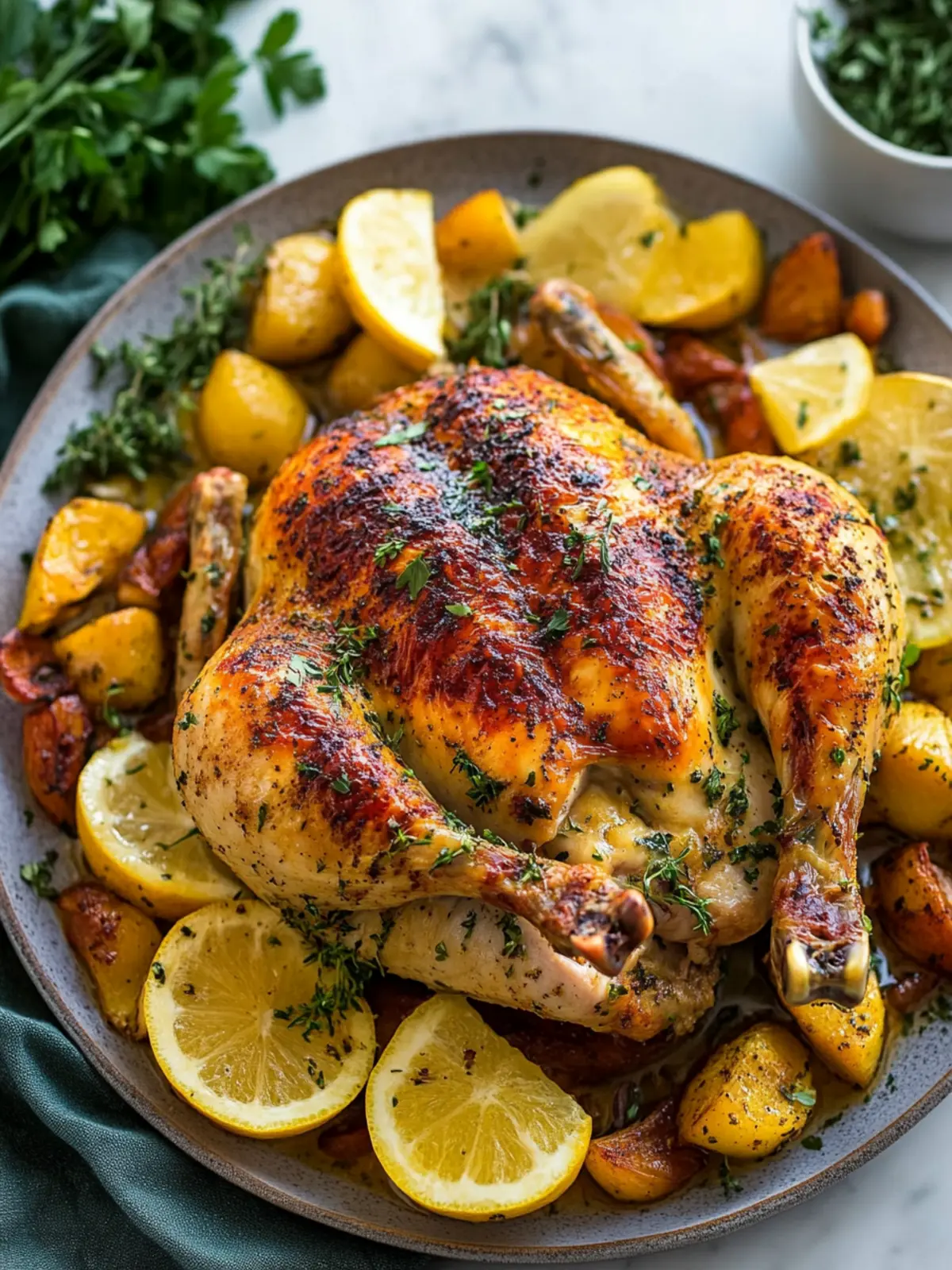
Are you tired of dry, overcooked chicken breasts and undercooked, rubbery thighs? Does the thought of roasting a whole chicken feel daunting, or does it take simply too long for a weeknight meal? If you've nodded yes to any of these, then prepare to have your culinary world transformed by the simple, yet revolutionary, technique of spatchcock chicken. This method, championed by home cooks and celebrated chefs alike, promises a perfectly cooked bird with incredibly crispy skin and unbelievably juicy meat, all in a fraction of the time.
Often referred to as butterflying, spatchcocking involves removing the chicken's backbone and flattening it before roasting. This isn't just a fancy trick; it's a brilliant way to ensure the entire bird cooks evenly, because all parts are exposed to the same amount of heat. The result? A beautifully golden, uniformly cooked roast chicken that’s both simple enough for a casual dinner and impressive enough for a special gathering. Let's dive into why this technique is a game-changer and how you can master it in your own kitchen.
Why Spatchcock Chicken is a Culinary Game-Changer
The allure of spatchcock chicken lies in its undeniable benefits, which address virtually every common complaint about traditional roast chicken. Once you experience the difference, you'll wonder how you ever roasted a chicken any other way. For a deeper dive into these advantages, explore Why Spatchcock Chicken is a Game-Changer for Juicier, Faster Dinners.
- Crispier Skin, Everywhere: One of the most celebrated outcomes of spatchcocking is the incredible crispiness of the skin. By flattening the chicken, more of its surface area is exposed directly to the oven's heat. This means every inch of skin, not just the top, gets beautifully golden and shatteringly crisp, turning each bite into a textural delight.
- Juicier, Evenly Cooked Meat: This is perhaps the biggest win. In a traditional roast, the breast meat, being thinner, tends to cook faster and dry out before the thighs and legs, which are thicker and need more time, reach their ideal temperature. Spatchcocking flattens the chicken into a uniform thickness, allowing all parts—breasts, thighs, and wings—to cook at the same rate. Say goodbye to the age-old dilemma of overcooked breast and undercooked dark meat!
- Faster Roasting Time: Who doesn't want dinner on the table sooner? By flattening the chicken, you increase its surface area, which allows heat to penetrate more efficiently. This can shave off a significant amount of cooking time – often 15 to 30 minutes or more compared to an intact bird. A typical spatchcocked chicken can be ready in about 45-60 minutes, depending on its size and your oven, making it a viable option even for busy weeknights.
- Enhanced Flavor Absorption: With more surface area exposed, your chosen seasonings, rubs, and marinades have greater contact with the meat. This allows for deeper flavor penetration, ensuring every bite is as delicious as the last.
- Elegant Presentation & Versatility: While often considered a simple technique, a perfectly spatchcocked and roasted chicken looks incredibly impressive on a platter. And the versatility doesn't stop there; leftovers are fantastic for sandwiches, salads, tacos, or quick weeknight meals.
Essential Tools for Spatchcocking Success
While the technique of spatchcocking might sound intimidating, it requires very few specialized tools. The most important item you'll need is something you likely already have in your kitchen.
- High-Quality Kitchen Shears: This is your primary weapon. Invest in a sturdy, sharp pair of kitchen shears designed to cut through bone. Dull shears will make the process frustrating and potentially unsafe. A good pair will glide through the backbone with relative ease.
- A Sturdy Work Surface: A large, stable cutting board is essential. You'll need ample space to maneuver the chicken and apply pressure.
- Paper Towels: Crucial for patting the chicken completely dry before seasoning and roasting. This step is vital for achieving that coveted crispy skin.
- Baking Sheet with a Wire Rack (Recommended): Roasting the chicken on a wire rack set over a baking sheet allows air to circulate around the entire bird, ensuring crispiness on the bottom as well as the top. The baking sheet catches any drips, making cleanup easier.
- Optional: Chef's Knife: While shears are preferred, a very sharp, heavy chef's knife can be used if you don't have shears, though it requires more caution and effort.
Your Step-by-Step Guide to Mastering Spatchcock Chicken
Now that you understand the "why," let's get to the "how." This revolutionary four-step technique will change how you roast a chicken forever. Follow these simple instructions, and you'll be well on your way to dinner success.
1. Prepare Your Chicken
Start with one whole chicken, ideally 3 to 4 pounds. Place the chicken breast side down on your sturdy work surface. This positioning makes accessing the backbone much easier. Before doing anything else, pat the entire chicken thoroughly dry with paper towels. This step is non-negotiable for achieving truly crispy skin, as excess moisture creates steam rather than browning.
2. Locate and Remove the Backbone
Identify the backbone running down the center of the chicken's back. Using your sharp kitchen shears, begin cutting along one side of the backbone, starting from the thigh end. You'll need to apply firm, steady pressure to cut through the ribs and small bones. Once you've cut down one side, turn the chicken around and repeat the process on the other side of the backbone. Once both cuts are made, the backbone will be completely separated from the chicken. You can discard the backbone or, better yet, save it for making flavorful chicken stock.
3. Flatten the Bird
Flip the chicken over so it's now breast side up. You'll notice it still has a bit of a curved shape. To flatten it, place both hands firmly on top of the breastbone. Apply significant downward pressure, pushing until you hear a crack. This "pop" indicates that the wishbone (or keel bone) has broken, allowing the chicken to lie completely flat. Don't be shy; you need to use some muscle here! Ensure the chicken is as flat as possible for even cooking.
4. Seasoning and Preparation for Roasting
Now that your chicken is perfectly butterflied, it's ready for seasoning. Ina Garten, for instance, often advocates for simple, generous seasoning to let the natural flavors shine. A good quality coarse salt (like kosher salt), freshly ground black pepper, and a drizzle of olive oil are often all you need. Feel free to add your favorite herbs (rosemary, thyme, sage), garlic powder, paprika, or any rub you prefer. For the best flavor, especially with salt, season the chicken at least 30 minutes before roasting, or even up to an hour or two, to allow the salt to penetrate the meat. Place the seasoned, flattened chicken onto a wire rack set in a baking sheet, ensuring even air circulation.
Common Spatchcocking Mistakes to Avoid
Even though the spatchcocking method is straightforward, a few common pitfalls can affect your results. Being aware of these can help you achieve perfection every time.
- Using Dull Tools: As mentioned, dull kitchen shears are a recipe for frustration and potential injury. They make cutting through bone incredibly difficult and messy. Always ensure your shears are sharp and up to the task.
- Not Drying the Chicken Thoroughly: This is critical for crispy skin. Any moisture on the surface will create steam in the oven, preventing the skin from browning and crisping up. Pat, pat, and then pat some more with paper towels before seasoning.
- Insufficient Flattening: If you don't press down firmly enough on the breastbone, the chicken won't lie completely flat. This can lead to uneven cooking, defeating one of the main purposes of spatchcocking. Don't be afraid to put your weight into it until you hear that satisfying crack.
- Over-Seasoning or Under-Seasoning: While it allows for better flavor absorption, be mindful of your seasoning. Too much salt can be overpowering, while too little leaves the chicken bland. Taste your seasoning blends and apply generously but judiciously.
- Forgetting the Wire Rack: While not strictly a "spatchcocking" mistake, roasting directly on a baking sheet can prevent the bottom of the chicken from getting crispy. The wire rack ensures hot air circulates all around, guaranteeing that coveted crispy skin on all sides.
Roasting Your Perfectly Spatchcocked Chicken
Once your chicken is prepared, the roasting process is swift and rewarding. For a comprehensive look at roasting techniques and achieving perfect results, check out Crispy Skin, Juicy Meat: The Spatchcock Chicken Method for Perfect Roasts.
Preheat your oven to a relatively high temperature, typically between 400-425°F (200-220°C). This high heat helps to crisp the skin quickly while the inside cooks through. Place your seasoned, flattened chicken (on its wire rack and baking sheet) into the preheated oven. Depending on the size of your chicken and the actual temperature of your oven, it will typically roast for 45 to 60 minutes.
To ensure doneness, use an instant-read thermometer. Insert it into the thickest part of the thigh, avoiding the bone. The chicken is cooked when the internal temperature reaches 165°F (74°C) and the juices run clear when pierced. Once cooked, remove the chicken from the oven and let it rest, uncovered, for 10-15 minutes before carving. This resting period is crucial; it allows the juices to redistribute throughout the meat, resulting in an even more succulent and flavorful bird.
Mastering the spatchcock chicken technique is more than just learning a new kitchen trick; it's unlocking the secret to consistently superior roast chicken. From its incredibly crispy skin and unbelievably juicy, evenly cooked meat to its significantly faster cooking time, the benefits are undeniable. It transforms a potentially challenging dish into a simple, reliable, and utterly delicious meal perfect for any occasion. So, grab your kitchen shears, prepare your chicken, and get ready to impress yourself and everyone at your table with this culinary revelation. Your roast chicken game will never be the same!
